 Español
 English
 Italiano
 Français
 Deutsch


Casa Winter: The Cofete Enigma That Defies History
Fuerteventura is known for its endless beaches and volcanic landscapes, but there is one corner where the sand mixes with political intrigue and espionage: Casa Winter.
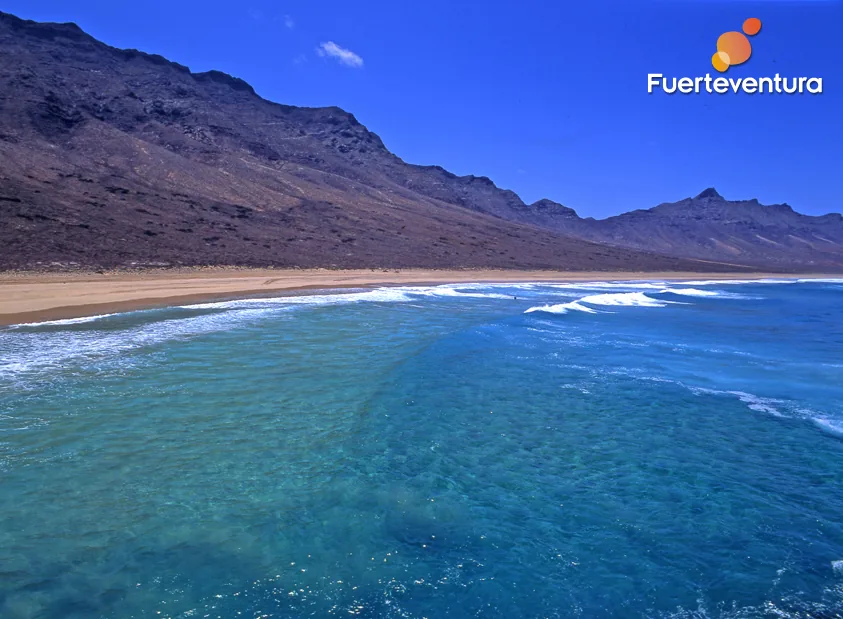
Set on the remote Cofete beach, beneath the imposing mountains of Jandía, this fortress-like villa has fed some of the most fascinating conspiracy theories of the post-war years for decades. Was it a bolthole for the Nazi elite, or simply the dream of a misunderstood German engineer?
Who was Gustav Winter? The man behind the myth
To understand the house, you first have to know its owner. Gustav Winter was a German engineer who arrived in Spain in the 1920s. Although he is credited with electrification projects in Gran Canaria and Fuerteventura, his figure was always surrounded by an aura of mystery.
In 1941, in the middle of the Second World War, Winter obtained the concession for the Jandía peninsula. That was when work on the villa began, in a place so inaccessible that even today getting there is an adventure in itself.
The villa’s architectural features
Casa Winter is not a traditional Canarian house. Its structure stands out for:
With a 360° panoramic view over the ocean.
Extremely thick walls and rooms that, according to some, look like cells or laboratories.
A massive structure that some theorists link to industrial or even defensive purposes.
Legends and Theories: Fact or Fiction?
What really draws thousands of visitors every year are the stories told within its walls. These are the three most popular theories about Casa Winter in Fuerteventura:
A submarine base (U-boats)
Given how close it is to the sea and how deep the water off Cofete is, many believe the house served as a resupply point for German submarines during the Second World War. There are rumours of tunnels connecting the cellar directly to sea caves.
“Operation Odessa” and the cosmetic surgery
One of the darkest legends suggests that Casa Winter was a staging post for Nazi leaders fleeing to South America after the fall of the Third Reich. It is said that cosmetic surgery was carried out in its cellars to change the identity of the fugitives before they crossed the Atlantic.
The secret airfield
Not far from the house there are the remains of a landing strip. Although Winter always maintained that it was for agricultural purposes, its location and size suggest military use.
The Historical Truth: What we know today
Despite the espionage stories, the most recent research and the testimony of the Winter family point to a more mundane reality, though no less interesting. The house was conceived as the hub of a farming and livestock estate that never quite prospered, because of the extreme isolation of the area.
Even so, the fact that Gustav Winter appeared on the Allied intelligence services’ blacklists (as a possible German agent) keeps the flame of mystery alive.
Practical Guide: How to visit Casa Winter
If you are in Fuerteventura, a trip to Cofete is a must. Here are a few tips:
Be ready for some 45-60 minutes of driving along a dirt track from Morro Jable. A 4×4 is recommended, or at least a car with decent ground clearance.
The house is currently lived in by residents who will usually allow access to certain areas in exchange for a donation towards its upkeep. It is not an official museum, which gives it an even more authentic, faded air.
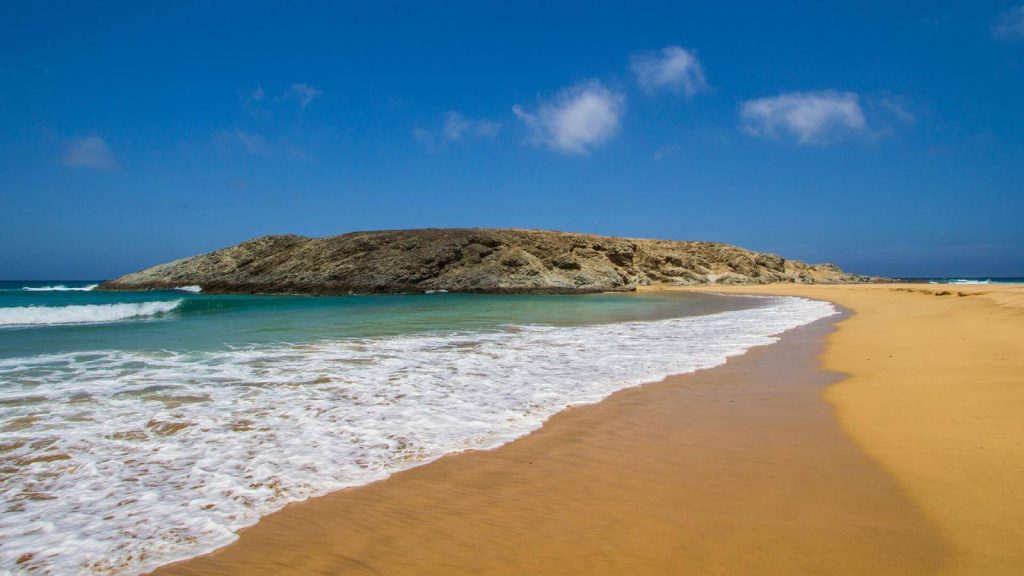
Take the chance to walk along Cofete beach, considered one of the most unspoilt and wildest in Europe.
A monument to mystery
Casa Winter is the perfect symbol of the Canary Islands’ enigmatic past. Whether you believe the spy legends or simply admire its lonely architecture facing the sea, this place will leave you with a feeling that is hard to forget.
A note for travellers: The Cofete area is a protected space. Respect the environment and leave no trace during your visit.