 Español
 English
 Italiano
 Français
 Deutsch


How to get to Fuerteventura: your gateway to paradise
Organising a trip to the “Quiet Island” is the first step towards an unforgettable holiday. Thanks to its strategic position and its excellent connections, Fuerteventura is today one of the best-connected destinations in the Canary Islands.
Whether you are after the speed of a plane or the experience of sailing the Atlantic, here is everything you need to know to arrive without a hitch in 2026.
1. By air: Fuerteventura Airport (FUE)
Fuerteventura Airport, also known as El Matorral Airport, is the main way in. It sits on the east coast, just 5 kilometres from the capital, Puerto del Rosario.

Who flies to the island?
The island receives direct flights from the main cities of Spain and Europe.
Iberia, Vueling and Ryanair offer frequent connections from Madrid, Barcelona, Bilbao and Seville.
Airlines such as EasyJet, Jet2 and TUI connect the island with the United Kingdom, Germany, Italy and France all year round.
If you are coming from another Canary Island, Binter and Canaryfly are your best allies, with daily flights of barely 30-45 minutes.
How to get from the airport to your destination
Once you land, you have several options for heading north (Corralejo) or south (Jandía):
The most recommended option. The desks are inside the terminal (Cicar, AutoReisen and the international companies).
* Line 3: Connects the airport with Puerto del Rosario and Caleta de Fuste.
Takes you straight down to the south (Morro Jable).
The rank is right outside arrivals. A trip to Corralejo costs around 50-60 €, while Puerto del Rosario is about 15 €.
2. By sea: the magic of arriving by ferry
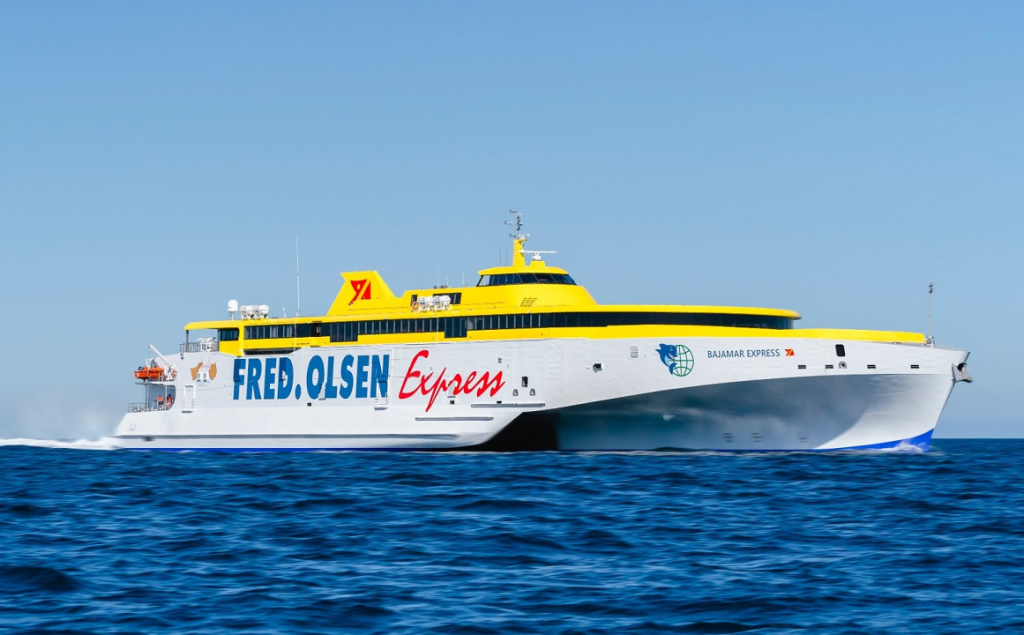
Arriving by boat has a charm of its own and is the ideal option if you are travelling with your own vehicle or want to do some island hopping (travelling from island to island).
From Lanzarote (the most popular route)
If you are on the neighbouring island, the crossing is over before you know it. The boats leave from Playa Blanca (Lanzarote) and arrive in Corralejo (northern Fuerteventura).
-
Duration: Between 25 and 35 minutes.
-
Operators: Fred. Olsen Express, Naviera Armas and Líneas Romero.
-
Frequency: There are departures almost every hour.
From Gran Canaria and Tenerife
There are daily connections linking Las Palmas de Gran Canaria with the ports of Puerto del Rosario or Morro Jable. It is a longer crossing (between 2 and 5 hours depending on the type of boat), but perfect for enjoying the sea.
From mainland Spain (Cádiz or Huelva)
For those who are in no hurry, or who are travelling with camper vans and pets, there are weekly ferries from the south of Spain. It is a journey of roughly 30-35 hours that lets you bring everything you need with no luggage limits.
Comparison table: plane vs. ferry
| Method | Advantages | Ideal for… |
| Plane | Speed and a wide choice of timetables | Short breaks and international travellers |
| Ferry (inter-island) | Scenery, flexible luggage | Residents and travellers visiting several islands |
| Ferry (mainland) | You can bring your own car or camper | Long trips or house moves |
Traveller tips for 2026
Especially around dates such as Carnival (February/March) or Easter week, as prices usually rise significantly.
Fuerteventura airport is efficient, but in high season the check-in queues can be long.
If you are travelling as a group, booking a private shuttle in advance sometimes works out better value than waiting for a taxi.
Fuerteventura is waiting for you with open arms and its trade winds. However you choose to arrive, what matters is that, once you are here, you let yourself be carried along by the island’s unhurried pace.