 Español
 English
 Italiano
 Français
 Deutsch


Things to do in Fuerteventura: a plan for every day
Fuerteventura has a reputation as a beach island, and that is half true. What sets it apart from its neighbours is that here you can sail in the morning and climb a volcano in the afternoon, or spend the day in the water and have dinner over a plate of majorero cheese in a mountain valley forty minutes from the sea.
This guide organises things by the kind of day you want, not by area: boat trips, wind sports, walks, beaches, food and culture, plus two sections that answer the two questions asked most often on the island — what to do with children, and what to do when it is really blowing.
If what you are after is places rather than activities, you’ll find them in what to see in Fuerteventura.
Going out on a boat
This is the plan that works best on this island, because a good part of the best of it is seen from the water. There are two departure ports and a good hour’s drive between them, so it is worth checking before you book.

From Corralejo, in the north, go the crossings to Isla de Lobos: the catamaran with lunch on board, and the mini-cruise with an underwater viewing deck, which also lets you go ashore on the island if you book the right option.
From Caleta de Fuste, on the east coast, go the sailing catamaran that anchors at Pozo Negro with time for snorkelling, and the glass-bottomed boat for seeing the seabed without getting wet.
All eleven bookable trips, with prices, timetables and what each one includes, are in excursions in Fuerteventura.
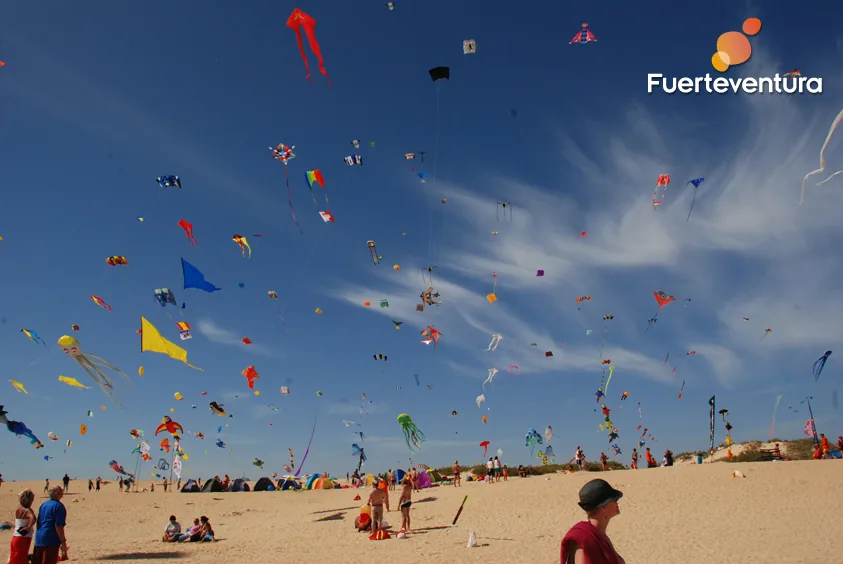
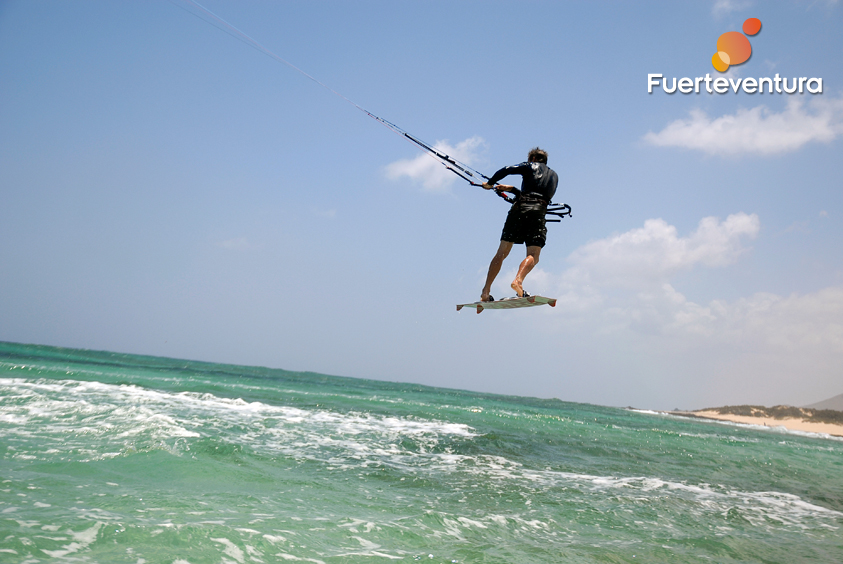
Windsurfing and kitesurfing: the wind as the attraction
What is a nuisance on other islands is the main sporting draw here. Fuerteventura regularly hosts world championships and has schools dotted all along the coast.
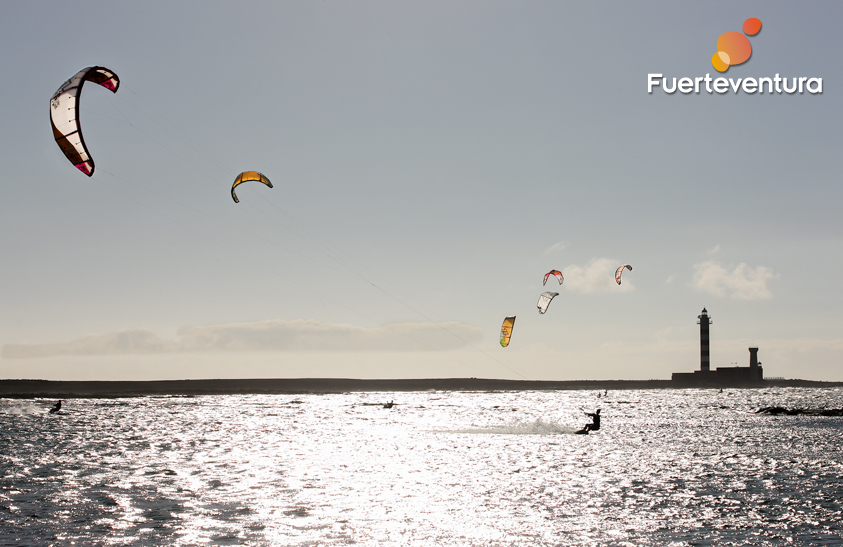
The epicentre is Playa de Sotavento, in the south, where the tide forms a shallow lagoon of flat water that is the perfect place to learn. In the north, the Corralejo area has the other big concentration of operators.
If you are going to give it several days, we have the complete guide to windsurfing in Fuerteventura, with seasons, spots and levels.
Surfing
The north of the island is one of the most established surf destinations in Europe, with waves almost all year round and a settled scene in El Cotillo, Lajares and Corralejo.
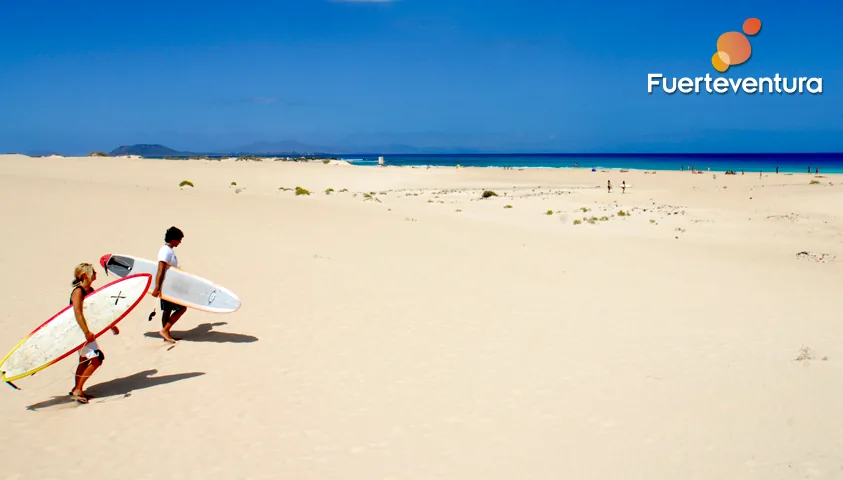
There are breaks for every level, but it is worth going with a school or with someone who knows the area: many of the best waves break over rock bottoms and the currents on the west coast do not forgive.
Walking: volcanoes, ravines and cliffs
The island is an open-air geology museum and almost all the routes are short. Three that are worth the effort:
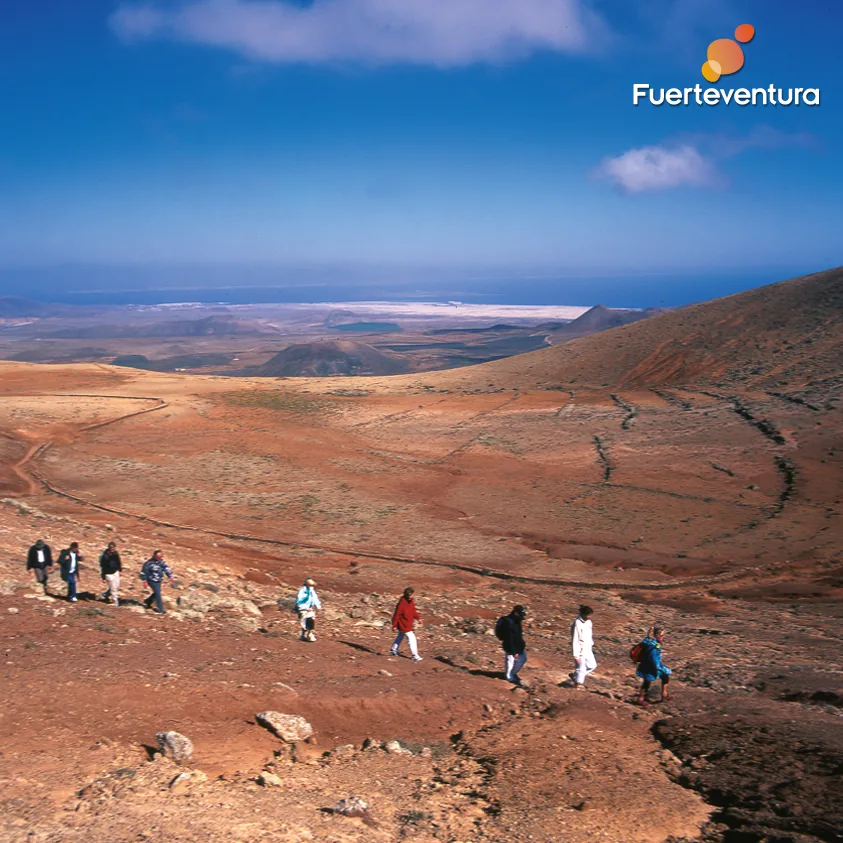
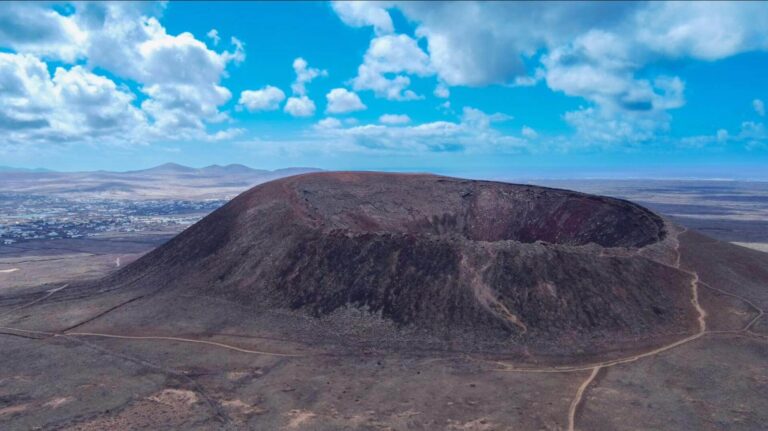 Calderón Hondo volcanoan hour and a half from Lajares, an easy, well-signposted path, a 70-metre crater at the end and views as far as Lanzarote. The best effort-to-reward ratio in Fuerteventura.See more →
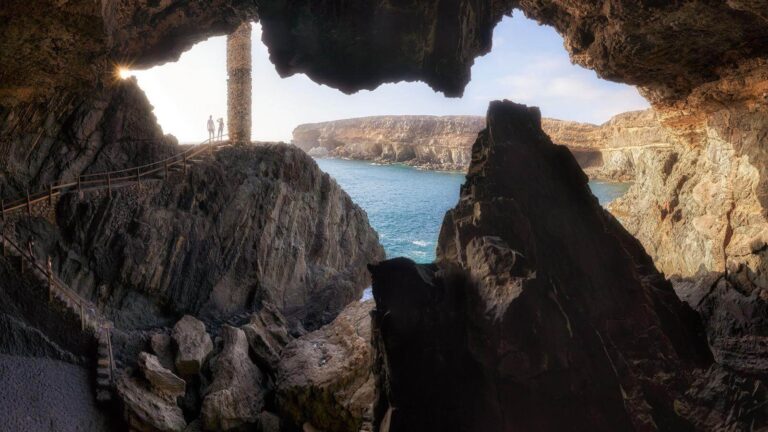 The Ajuy Caves45 minutes there and back on a made-up path along the cliff top, to reach sea caves opened up in the oldest rocks in the archipelago.See more →
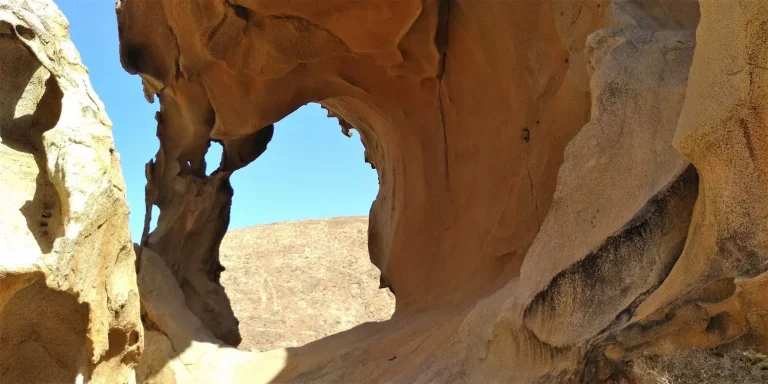 The Arco de las Peñitasthe toughest of the three, an hour and a half to two hours up a ravine with no marked path and a scramble at the end. Shoes with grip are non-negotiable.See more →
And the island’s long walk is not on the island: it is the circular path of some 8 kilometres on Isla de Lobos, three to four hours, which requires a visitor permit.
Beach days
Not every beach is good for the same thing, and that is the key to not picking the wrong day.
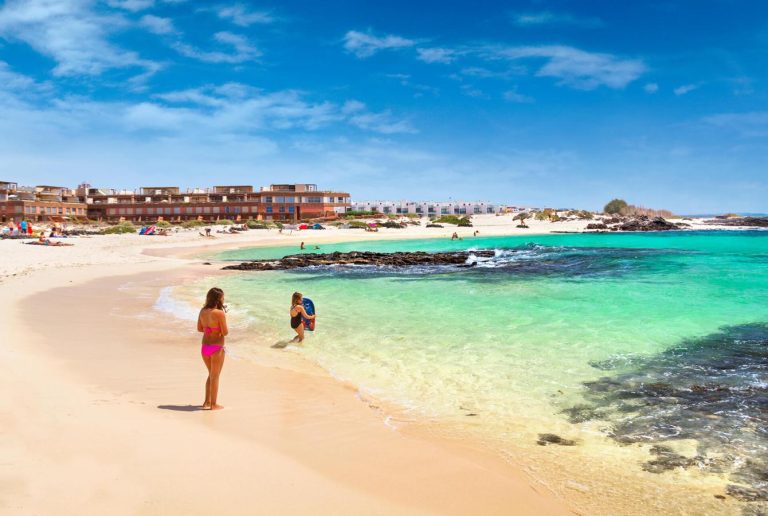
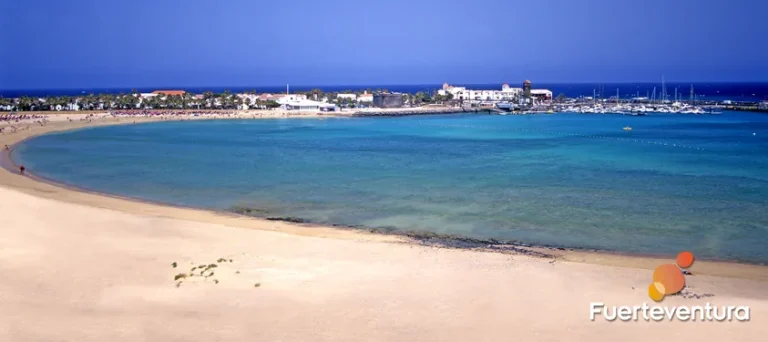
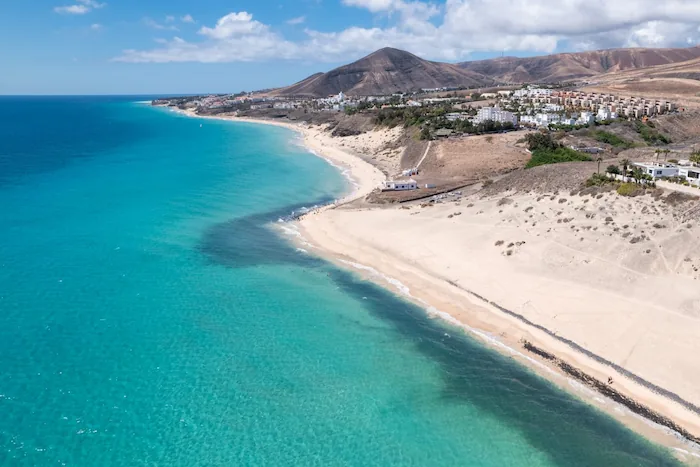
For actually swimming, in calm water: La Concha in El Cotillo and Playa del Castillo in Caleta de Fuste, both sheltered from the swell.
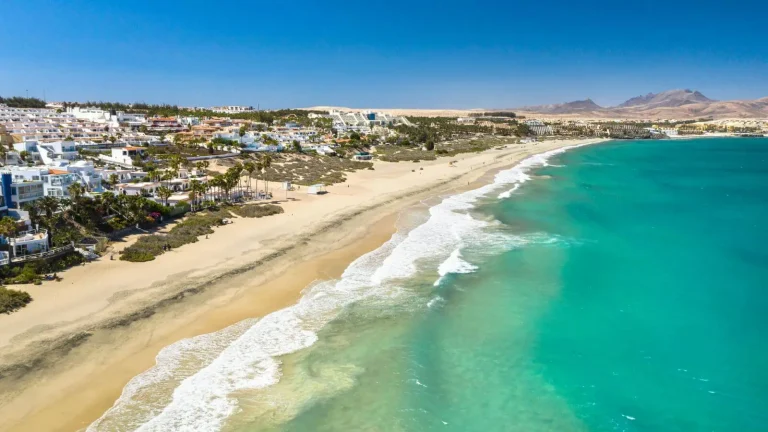
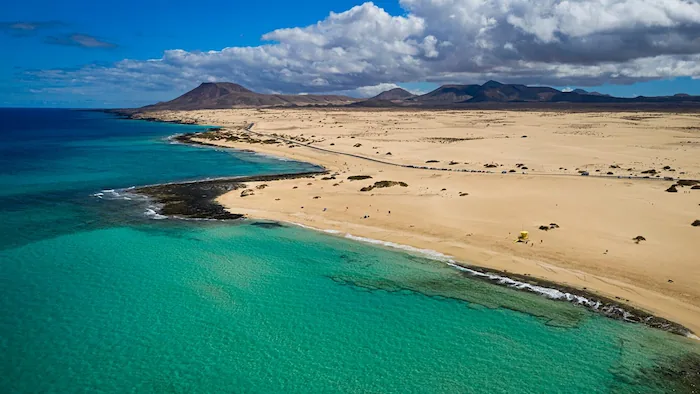
Jandía and the Grandes Playas of the Corralejo Dunes.
Cofete. The sea is treacherous and there is no lifeguard.
The full catalogue, with the type of sand and how to get in, is in beaches of Fuerteventura.
Eating majorero
The island’s cooking makes sense the moment you know that Fuerteventura spent centuries as the granary and the farmyard of the Canaries, not as a beach destination.
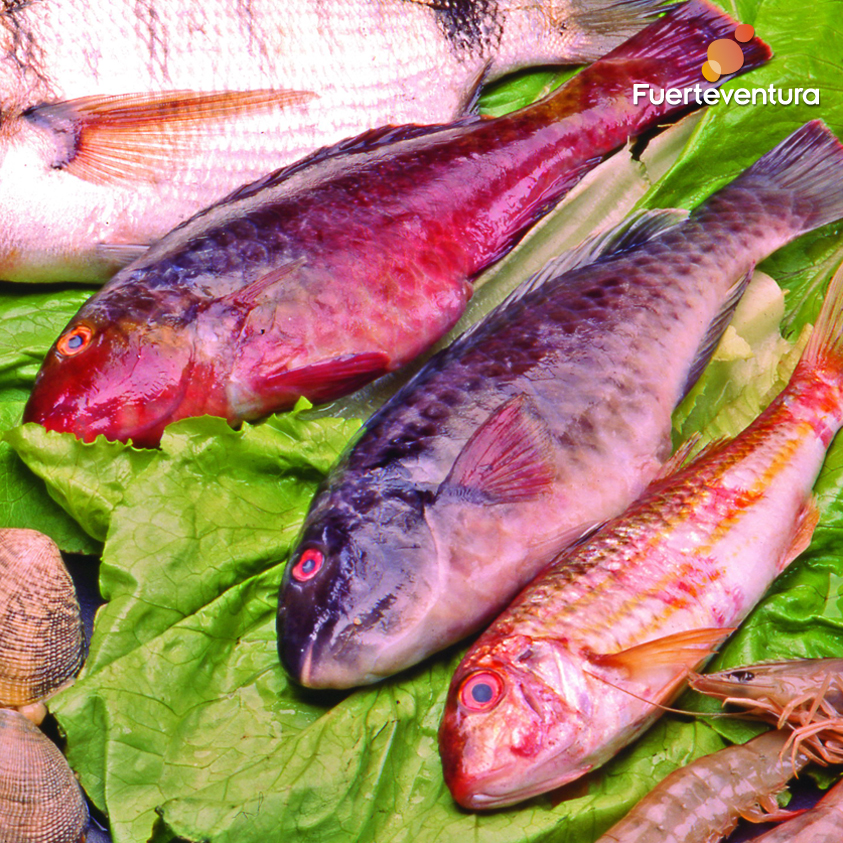
That is where its two emblems come from: majorero cheese, made from goat’s milk and holding a protected designation of origin, which wins international awards with some regularity, and gofio, a toasted cereal flour that is a pre-Hispanic food and is still thoroughly alive. Add papas arrugadas with mojo and fresh fish in the coastal villages.
Where to eat each of them, area by area, in where to eat in Fuerteventura.
History and culture
A half-day plan for those days when the wind puts you off going down to the beach.
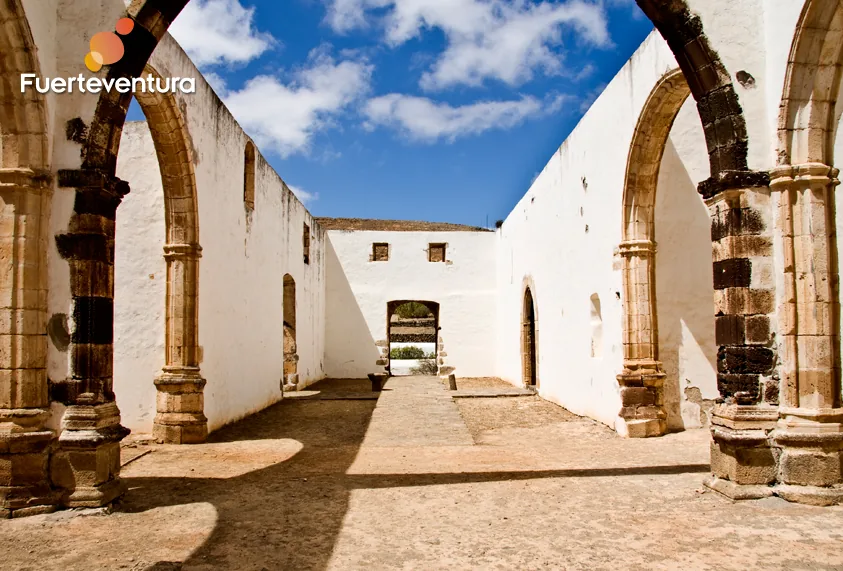
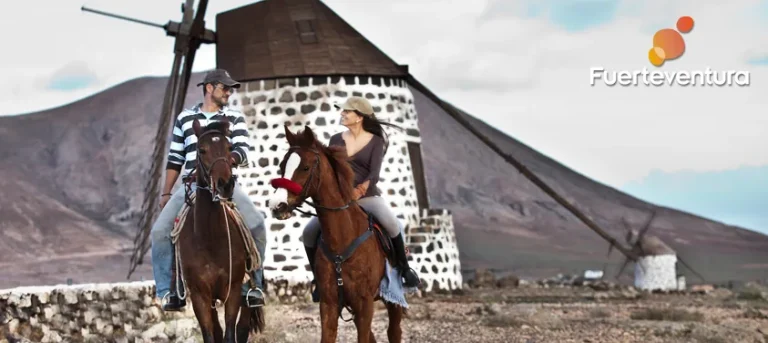
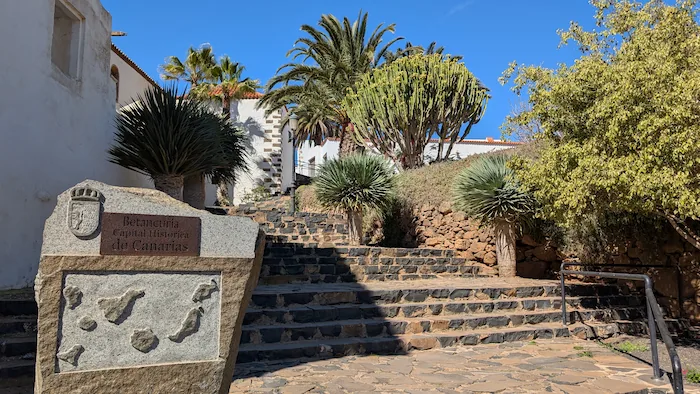 Betancuriathe first capital, with its church, its archaeological museum and the ruins of the first Franciscan convent in the archipelago.See more →Puerto del RosarioPuerto del Rosariothe Unamuno House Museum — where the writer spent his exile in 1924 — and more than a hundred sculptures spread around the city.See more →
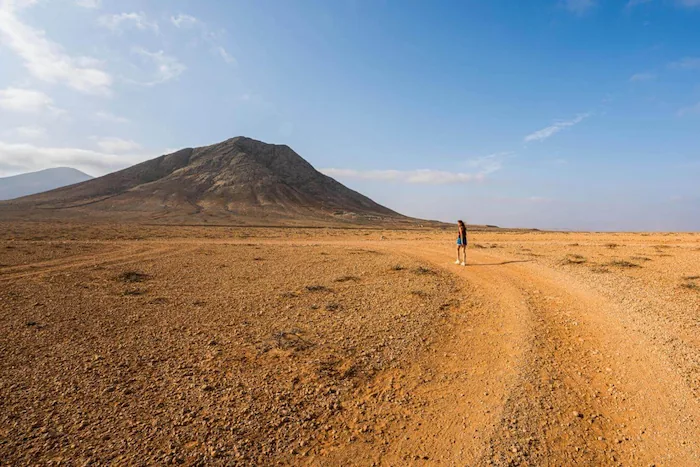 Tindayathe sacred mountain of the aboriginal people, with more than 300 carvings on its summit and a contemporary controversy well worth knowing about.See more →
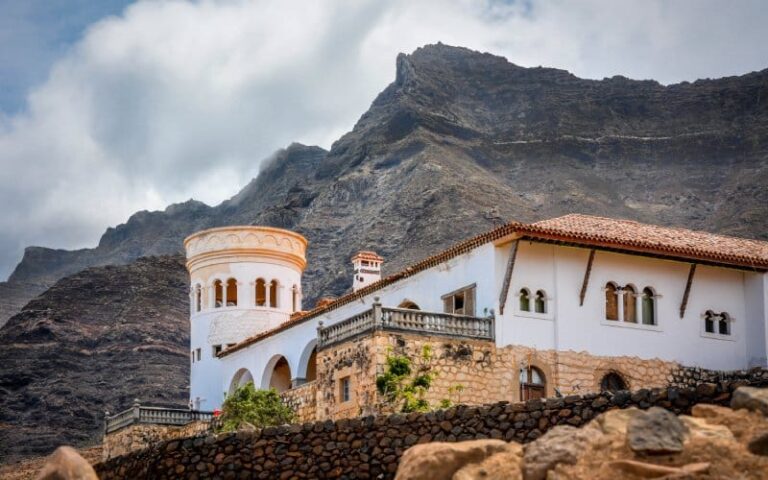 Casa Winterthe isolated house above Cofete and all the legends that trail after it.See more →
What to do with children
The plans that work best as a family, all of them tested against the main enemy of the day: the wind.
The glass-bottomed boat at Caleta de Fuste, half an hour long and nobody gets wet. The swim with sea lions, which usually ends up being the memory of the trip. The sheltered beaches of Caleta de Fuste and El Cotillo. And a wander through the Corralejo Dunes, which works like a giant sandpit.
What doesn’t suit children: the catamaran with lunch to Lobos, which is an adults-only trip, and the beaches on the west coast.
What to do when the wind gets up
This is the local question par excellence and it pays to have an answer ready, because it happens often.
First: change coast. If it is blowing in the north, the east is usually calm, and the bay at Caleta de Fuste is protected by breakwaters.
Second: head inland and uphill. Betancuria, the Guise and Ayose viewpoint and the Arco de las Peñitas are all sheltered by the massif.
And third: make the most of it. A day of strong wind is a perfect day to watch real windsurfing at Sotavento, or to try a lesson.
How to organise your days
The island is a hundred kilometres from end to end, so it is worth grouping things by area rather than driving out and back every day. The split is done for you, day by day, in the 5-day route through Fuerteventura, and the practical details of transport, climate and season are in the travel guide.
Frequently asked questions
What can you do in Fuerteventura in one day?
If you only have one, stay in the north: the Corralejo Dunes in the morning, lunch in El Cotillo and sunset at its lagoons. If you’d rather be on the water, a boat trip from Corralejo fills the whole day.
What can you do in Fuerteventura if you don’t like the beach?
There is plenty of island left: walk up Calderón Hondo, wander around Betancuria, go down to the Ajuy Caves, see the sculptures in Puerto del Rosario or take a buggy tour through the interior.
Is Isla de Lobos worth it?
Yes, and it is the most popular full-day plan on the island. Bear in mind that going ashore requires a free permit with a daily quota, which is best requested well in advance, and that there are no shops or drinking water on the island.
Can you see dolphins or whales?
It happens. The channel between Fuerteventura and Lanzarote regularly has cetaceans in it, but none of the excursions bookable here is a whale-watching trip, so nobody can promise anything: if they turn up, it is a bonus.
Do you need to hire a car?
To move around freely, yes. If you are not going to hire one, concentrate your stay in Corralejo or Caleta de Fuste and sort out the rest with the two road tours that include transport.
When is the best time to go?
The temperature barely changes through the year. What does vary is the wind, stronger in summer — ideal if you have come to sail, awkward if you have come to lie down — and the crowds, at their peak in August and at Easter.
What should you buy as a souvenir?
Majorero cheese with its protected designation of origin, gofio and aloe vera, which is grown on the island. You will find them in the local markets and in the shops of Puerto del Rosario.