 Español
 English
 Italiano
 Français
 Deutsch


Shell Beach (Playa de La Concha), El Cotillo: the natural pool of the north
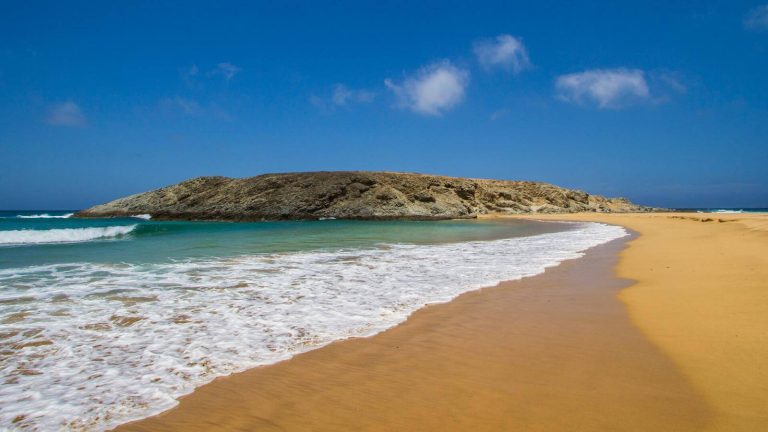
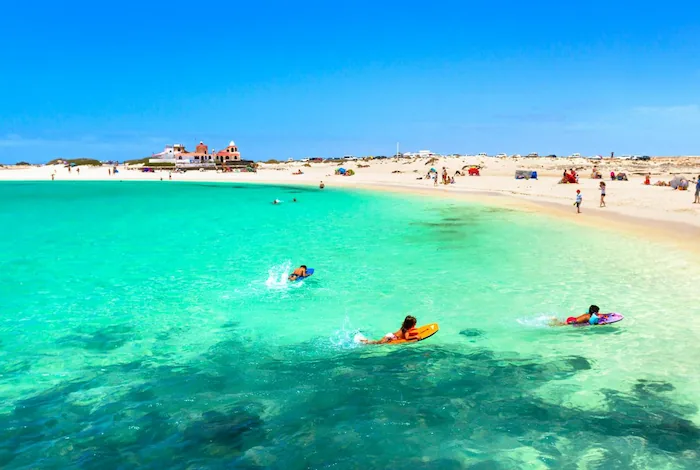
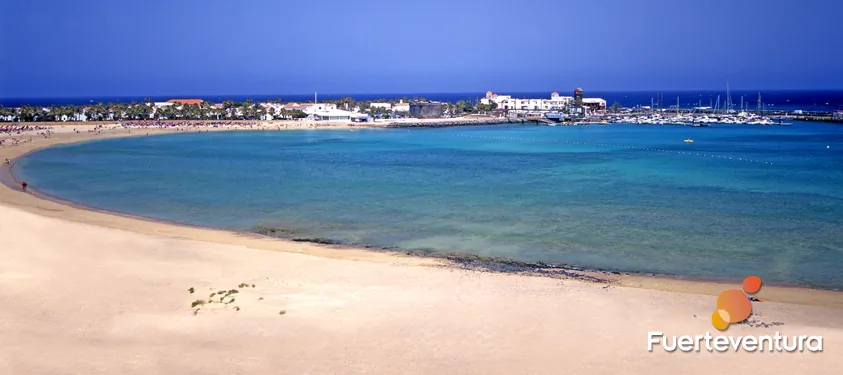
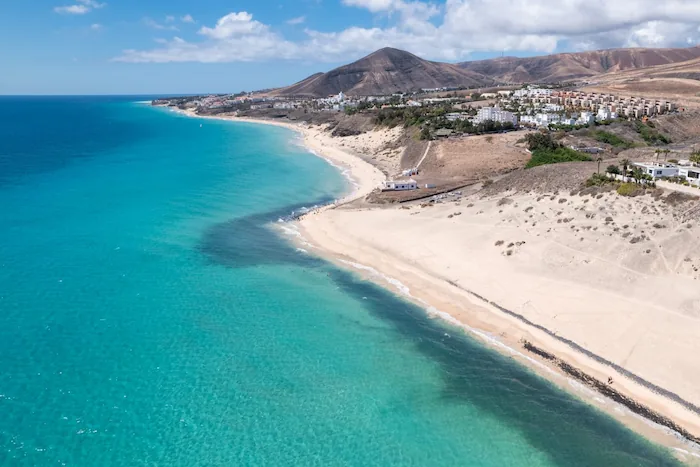
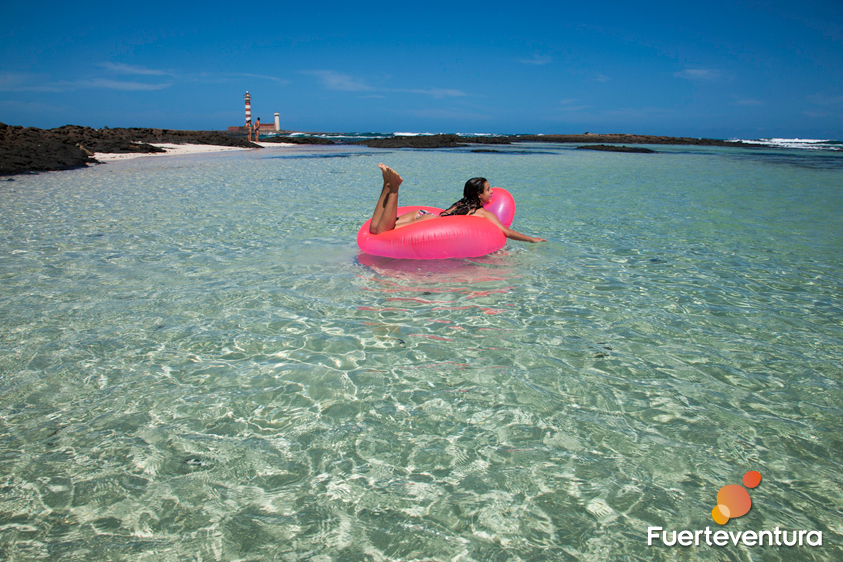
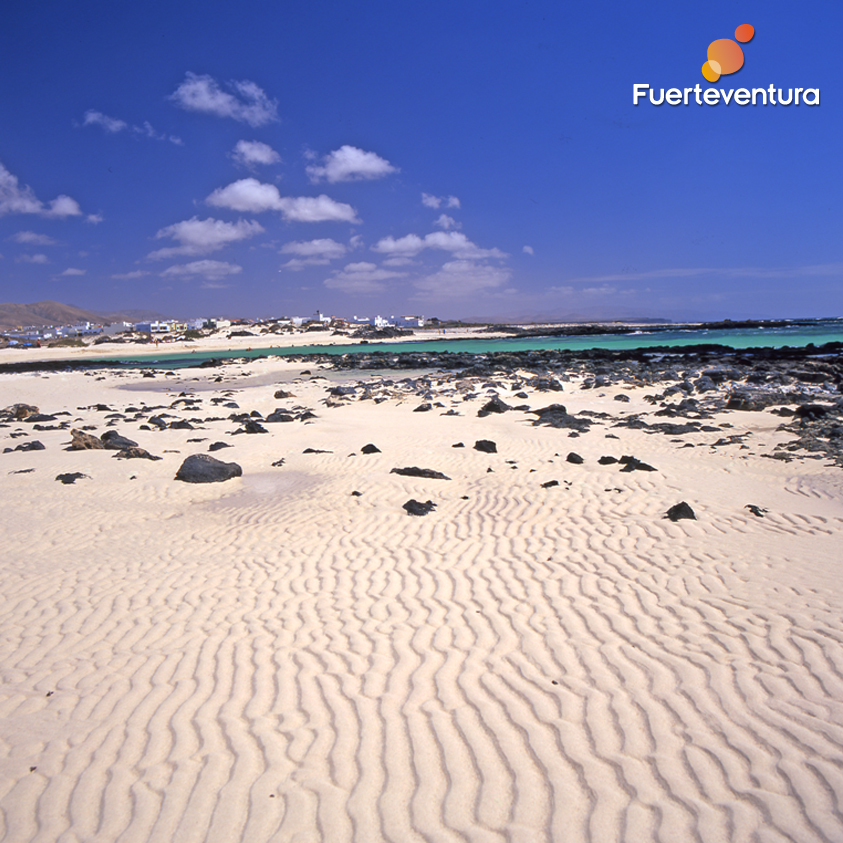
At the northern tip of El Cotillo, on the north-west coast, Playa de La Concha does something almost no other beach in Fuerteventura manages: it cuts off the Atlantic swell. A natural reef of volcanic rock closes off the crescent-shaped bay and leaves behind a sheet of turquoise water, warm and shallow.
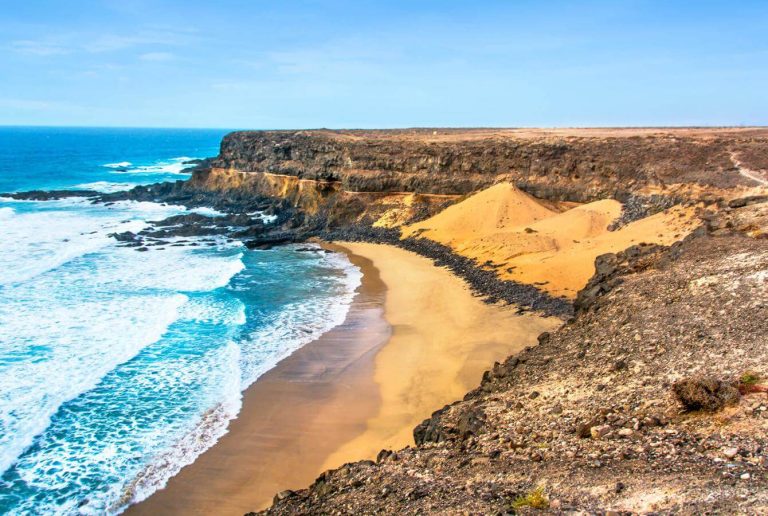
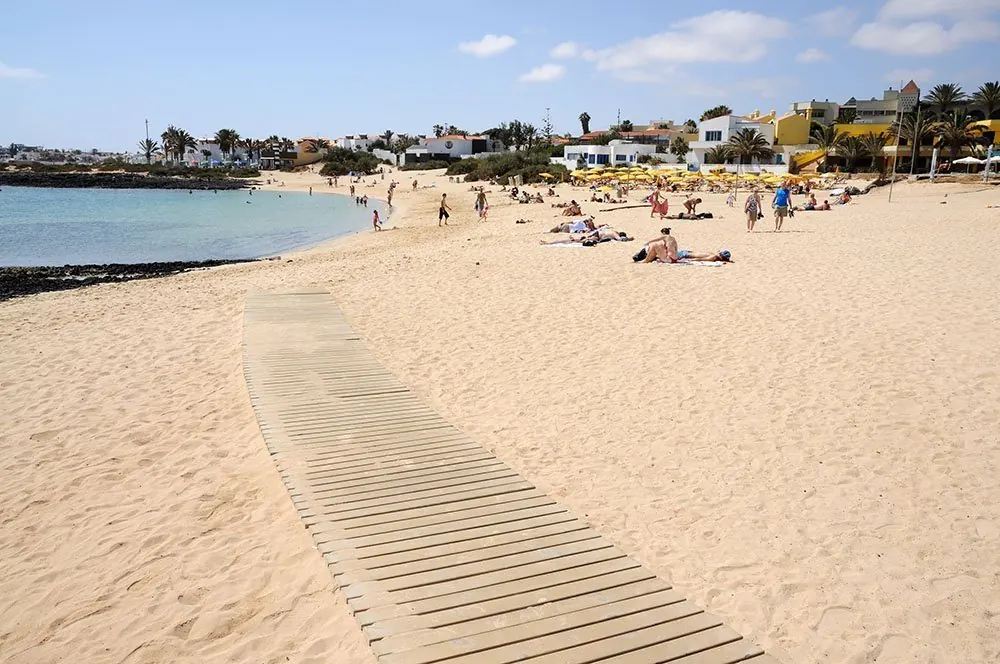
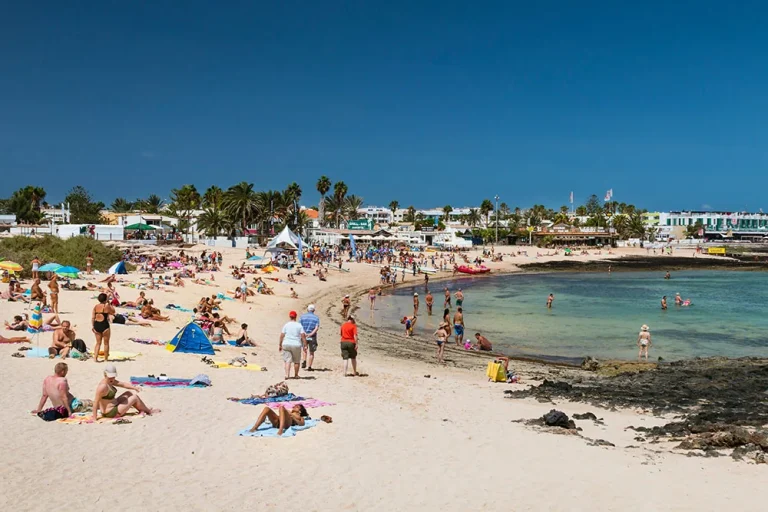
The result is the beach everybody recommends for a day out with children, and the best on the island for swimming without any surprises. All around, the landscape is the opposite of a resort beach: white sand, dark rock and, to the north, the string of rock pools and lagoons known as Los Lagos.
Why the water is so calm
The reef is the key. The rock barrier that closes the mouth of the bay breaks the waves before they ever reach the shore, so inside the shell the sea behaves like a swimming pool: no swell, no strong currents and a very gradual slope into the water.
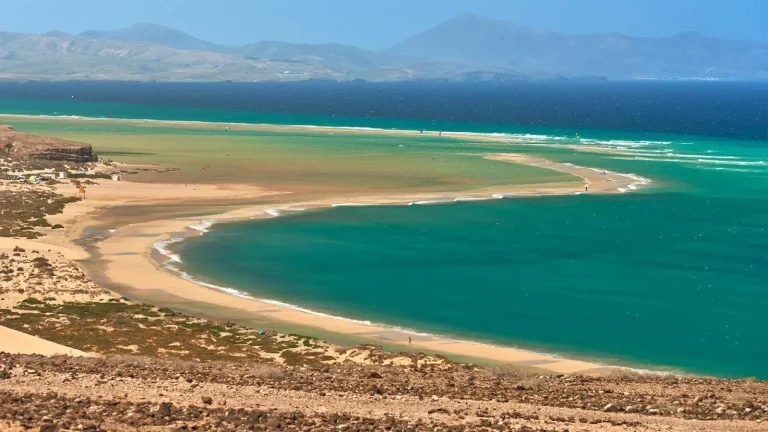
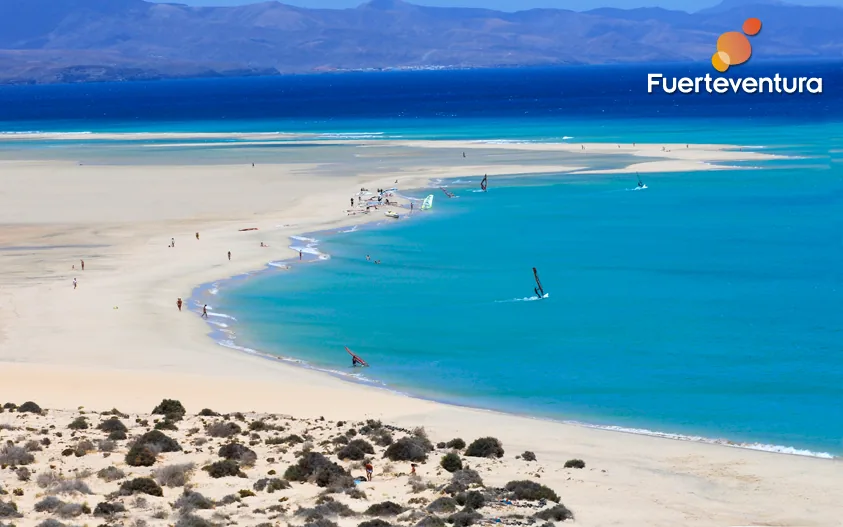
On an island where the Atlantic calls the shots, that is exceptional. The only two comparable beaches are Playa del Castillo, in Caleta de Fuste, which achieves the same thing with two man-made breakwaters, and the Sotavento lagoon, which only exists at low tide.
The trade-off: the rocky bottom and the clear water also make it one of the best places in the north for snorkelling straight off the shore.
The corralitos: the local trick against the wind
If you arrive and notice low circular walls of volcanic stone dotted across the sand, they are neither ruins nor decoration. They are corralitos, built by hand by local people so they can lie in the sun with some shelter.
El Cotillo sits on the north-west coast and the wind is part of the scenery: inside a corralito you can sunbathe without the sand blowing over you. It is free, it works, and it is the tip visitors are most grateful for when nobody has told them.
How to get there and where to park
The beach lies north of the village of El Cotillo, following the signs for the lighthouse.
From El Cotillo: 10-15 minutes on foot, 2 by car.
From Corralejo: about 20 minutes on the FV-101 or the dual carriageway. There is also a bus service linking the two villages.
about 40 minutes.
there is free parking at the entrance to the beach. In July and August, and at weekends, it is worth arriving before 11am if you want a space close to the sand.
Facilities and what to bring
There are showers and proper access paths, plus a restaurant right by the beach and everything El Cotillo has to offer ten minutes away on foot. Even so, it is worth packing:
Water shoes if you plan to snorkel: the reef is live rock.
Sun cream and a hat, because there is no natural shade.
A windbreaker for the late afternoon, however hot the day has been.
Sunset
Because this is the west coast, the sun sets straight into the ocean with nothing in the way. It is one of the finest sunsets in Fuerteventura and the reason so many people stay until the end of the day and then have dinner in the village’s old harbour. You will find ideas in where to eat in Fuerteventura.
What’s nearby
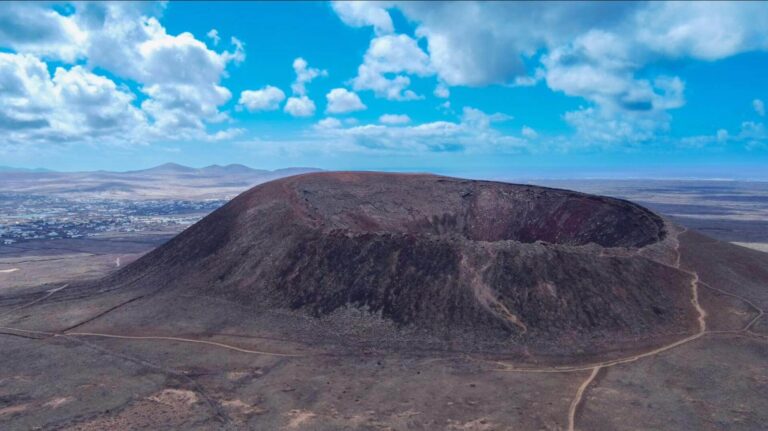
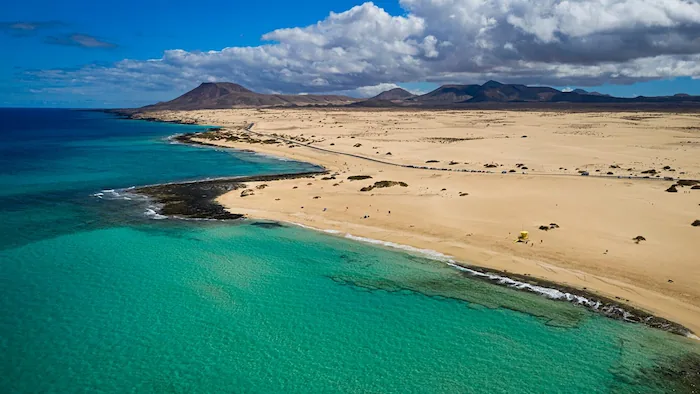
Besides the village of El Cotillo and its lighthouse, within a few minutes you have Playa de La Goleta, the Calderón Hondo volcano from Lajares and the Corralejo Dunes. The full route is in what to see in northern Fuerteventura.
Frequently asked questions about Playa de La Concha
How do you get to Playa de La Concha from Corralejo?
About 20 minutes by car on the FV-101 or the dual carriageway to El Cotillo, then follow the signs for the lighthouse. There is also a bus between Corralejo and El Cotillo.
Is parking difficult?
Usually not: there is free parking at the entrance. In July and August and at weekends, aim to arrive before eleven.
Is it safe for children?
It is probably the safest beach in Fuerteventura. The reef cuts off the swell, there are no strong currents and the water stays shallow across a wide stretch.
Can you snorkel here?
Yes, and it is one of the best places in the north to do it from the shore: clear water and plenty of life on the reef rock. Water shoes are a good idea.
Are there restaurants nearby?
There is service right by the beach, and the village of El Cotillo is 10-15 minutes away on foot, with a good choice of Canarian cooking and fresh fish.
Is it a nudist beach?
La Concha is mostly a family beach where swimwear is the norm. Nudism is more common in the neighbouring pools and coves to the north, known as Los Lagos.
Is it the same as Playa de la Concha on Isla de Lobos?
No, and the two are often confused. This one is in El Cotillo, on Fuerteventura; the other is a beach on Isla de Lobos, which can only be reached by boat and with a permit.
What is the weather like in El Cotillo?
Mild temperatures all year round and frequent wind, because of its position in the north-west. That is exactly what the stone corralitos are for.
Keep exploring